
Understanding T-Shirt Design Size Charts
Understanding T-Shirt Design Size Charts
Creating the perfect t-shirt design involves more than just creativity. It requires a keen understanding of sizing and placement.
Enter the t-shirt design size chart.
This tool is essential for designers, printers, and t-shirt enthusiasts alike. It ensures that graphics are properly sized and positioned for different types of shirts.
But how do you use it effectively?
This guide will provide comprehensive information on understanding and using t-shirt design size charts. From standard dimensions to design placement, we've got you covered.
Let's dive in and unravel the mystery of t-shirt design sizing.
The Importance of T-Shirt Design Size Charts
T-shirt design size charts are indispensable for achieving professional results. They enable precise design placement and help maintain consistency across products. Understanding their importance can elevate your t-shirt designs significantly.
These charts provide guidelines for placing graphics on various shirt sizes. Without them, designs may be improperly scaled, leading to unsightly outcomes.
Consistency in design size ensures a cohesive brand presentation. Customers are more likely to appreciate a shirt when the design matches their size expectations.
Using a t-shirt design size chart also helps control production costs. Proper sizing reduces errors and reprints, saving both time and resources.
Overall, these charts aid in producing aesthetic and functional t-shirts. Key benefits include:
Consistent brand presentation
Optimal design placement
Cost-effective production process
By appreciating these aspects, you can enhance the impact of your t-shirt designs and improve customer satisfaction.
Components of a T-Shirt Design Size Chart
Understanding the components of a t-shirt design size chart is crucial. Each element plays a role in crafting perfect t-shirt designs. Knowing these components can help you optimize the process effectively.
The primary component is the sizing grid. It specifies standard dimensions for different t-shirt sizes, like small, medium, or large. This grid ensures that designs are proportionate to shirt sizes.
Next is the placement guide. It indicates where on the t-shirt the design should be positioned. Whether it's the chest, back, or sleeve, correct placement enhances the shirt's visual appeal.
Another critical component is the scale indicator. It provides insight into the best dimensions for logos, text, and graphics. This avoids issues like design distortion or uncomfortable fitting.
Lastly, detailed measurement instructions are included. They guide in accurately measuring existing shirts for custom designs. Being precise is essential to maintain consistency and quality.
In summary, a t-shirt design size chart typically includes:
Sizing grid
Placement guide
Scale indicator
Measurement instructions
Each component ensures that your t-shirt designs are both visually appealing and practically effective. Understanding these elements helps in producing shirts that meet both aesthetic and functional criteria.
Standard T-Shirt Design Dimensions
Understanding standard t-shirt design dimensions is vital. These dimensions ensure that your design fits well and looks great on any shirt size. Let's explore these standard metrics.
For adult t-shirts, the width of a typical design can vary. It often ranges from 9 to 12 inches for medium sizes. However, dimensions can change based on the shirt's size.
Smaller shirts may require a design width closer to 9 inches. Larger shirts can accommodate wider designs, sometimes up to 14 inches. Keeping this in mind helps maintain design proportionality.
On children's t-shirts, dimensions differ significantly. Smaller surface areas mean design widths are generally between 5 to 7 inches. This ensures the design remains readable and attractive.
The placement of the design plays a crucial role as well. For most designs, positioning should be about 2 to 3 inches below the neckline. This is typical for both adult and children's shirts.
It's also essential to consider the length of the design. For best results, it should not exceed half the shirt's total length. This prevents the design from overwhelming the shirt.
In summary, when considering standard dimensions, important aspects include:
Design width (adult: 9-14 inches, kids: 5-7 inches)
Placement below the neckline (2-3 inches)
Design length should not exceed half the shirt length
These dimensions help ensure that your shirt designs are optimized for every type of shirt.
Adult T-Shirt Dimensions
Adult t-shirts come in a range of sizes, each needing specific design dimensions. A small adult shirt might feature a design that is 9 to 10 inches wide. This size helps balance the shirt without crowding the space.
Medium and large shirts often require wider designs. Medium shirts typically accommodate designs about 10 to 12 inches in width. In contrast, large shirts often need designs as wide as 12 inches.
For extra-large shirts, designs may widen up to 14 inches. These dimensions ensure that the shirt is stylish and visually balanced, regardless of the size.
Children's T-Shirt Dimensions
Children's t-shirt designs require smaller, more carefully considered dimensions. Shirts for toddlers typically need designs about 5 inches wide. This size is easy for young children to wear comfortably.
For older children, design widths can be increased slightly. Kids' shirts often work well with designs 6 to 7 inches wide. This size offers better visibility and aesthetic appeal.
It's crucial to ensure that the design is centered and appropriately placed. A placement just below the neckline, about 1 to 2 inches down, is often ideal for maintaining a neat appearance.
Design Size Recommendations by Shirt Type
Choosing the right design size for different shirt types is important. Each shirt style has unique requirements that influence design placement and dimensions. Understanding these nuances can enhance the shirt's appeal.
Unisex shirts often use a classic cut, suiting a wide audience. Designs here are generally straightforward, with widths ranging from 10 to 12 inches for medium sizes. This balance caters to most body types.
Gender-specific shirts, on the other hand, often feature tailored cuts. Women’s shirts may require smaller and higher-placed designs due to fitted styling. Men’s shirts usually allow for slightly larger designs.
Tank tops provide additional challenges. Designs need to be narrower, typically between 5 to 8 inches wide. Placement on tank tops is crucial, often aligning with the garment's narrower silhouette.
Specialty items like hoodies and long sleeves require consideration of additional fabric and stitch lines. Their designs typically range wider to cover more of the torso.
Kids’ shirts and baby onesies demand compact designs to match smaller sizes. For children's shirts, designs are typically between 5 to 7 inches wide, while baby onesies might feature designs as small as 3 to 5 inches wide.
Here’s a quick recap of design size recommendations:
Unisex Shirts: 10-12 inches wide
Gender-Specific Shirts: Tailored by fit
Tank Tops: 5-8 inches wide
Hoodies/Long Sleeves: Wider coverage
Kids’ Shirts: 5-7 inches wide
Baby Onesies: 3-5 inches wide
Adjusting your design dimensions according to the shirt type creates a balanced look. This thoughtful sizing approach enhances the visual appeal and comfort of your t-shirts.
Unisex and Gender-Specific Cuts
Unisex shirts are versatile and often a go-to for many designers. They typically feature designs that are wide and easily visible to suit a wide audience. A medium-sized unisex shirt often allows a 10 to 12-inch wide design.
Gender-specific cuts require special attention to fit and style. Women’s shirts usually call for smaller and higher-placed designs due to the fitted nature. Men’s shirts can carry slightly larger designs.
Quick considerations for unisex and gender-specific cuts:
Unisex Medium: 10-12 inches wide
Women’s Cut: Smaller, higher designs
Men’s Cut: Slightly larger designs
Choosing a design size that respects these variations ensures a comfortable fit for every wearer.
Tank Tops and Specialty Items
Tank tops have unique requirements due to their slim fit. Designs should not overwhelm the narrower fabric. Typically, tank tops accommodate designs from 5 to 8 inches in width.
Specialty items, such as hoodies, need wider and sometimes bolder designs to maintain visibility. Longer sleeve shirts may benefit from spreading the design over a broader area.
Key guidelines for tank tops and specialty items:
Tank Tops: Design width of 5-8 inches
Hoodies: Wider designs for visual impact
Long Sleeves: Utilize more fabric space
By tailoring design sizes for these items, you guarantee a stylish and proportionate look.
Kids' Shirts and Baby Onesies
Kids' shirts and baby onesies require careful sizing to fit small dimensions. Designs should remain compact for both aesthetic and comfort reasons.
Children’s shirts typically feature designs from 5 to 7 inches wide. This size is ideal for maintaining readability and charm. Baby onesies, given their tiny dimensions, often feature designs as small as 3 to 5 inches wide.
Summary points for kids' items:
Kids’ Shirts: 5-7 inches wide
Baby Onesies: 3-5 inches wide
Designs should fit the garment's small dimensions
Selecting appropriate design sizes ensures that even the smallest apparel items are both cute and comfortable.
Placement and Scaling of T-Shirt Designs
Getting the placement of t-shirt designs just right is crucial. Proper placement ensures that the design attracts attention and enhances the shirt’s overall aesthetic. Attention to scaling is also important.
Design scaling should consider the shirt size and target audience. Larger shirts can accommodate bigger designs, while smaller ones require more compact graphics. Ensuring proportional scaling prevents any awkwardness in the design’s appearance.
Placement varies based on where the design appears on the shirt. Common areas include the front, back, and sleeves. Each location offers unique visibility and impact.
To sum it up, here are a few key points about t-shirt design placement and scaling:
Proportional Scaling: Match the design size to the shirt size.
Front Placement: Centered designs often work best.
Back Placement: Utilize larger areas for bigger statements.
Sleeve Placement: Smaller designs can add unique flair.
Ensuring the correct placement and scaling results in shirts that are stylish and comfortable.
Front, Back, and Sleeve Placement
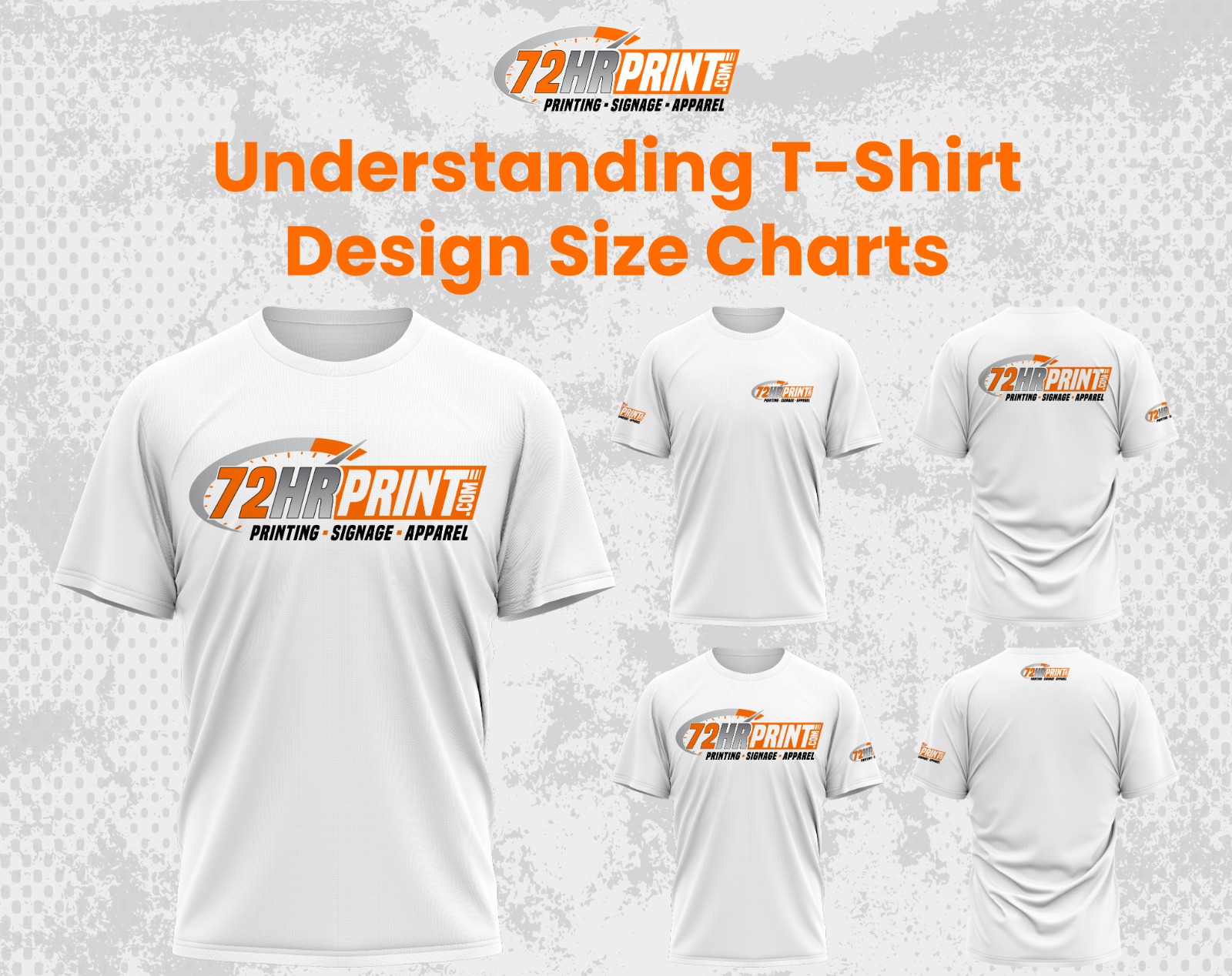
The front of a t-shirt is a prime design location. Centered designs that are slightly above chest height grab attention well. This placement suits most message or image-focused designs.
Designs on the back can be larger. A more extensive area allows for bold graphics or larger typography. It’s a suitable location for company names or event details.
Sleeve designs offer subtle touches. These are ideal for logos or smaller graphics, adding an interesting twist. Properly placed sleeve designs enhance a shirt without overwhelming the overall look.
Logo and Graphic Placement on Kids' Shirts
When placing graphics on kids' shirts, consider their smaller frame. Centering a graphic just below the neckline often works well. This ensures the design remains easily visible.
Logos should be proportionate to the shirt size. They should not overwhelm the fabric. Typically, smaller designs maintain a balanced look.
Playfulness in graphic placement can add charm. Experiment with slightly off-center logos or fun sleeve placements. Appropriate placement enhances the design while keeping it engaging for children.
Adjusting Design Sizes for Different Printing Methods
Design sizing can be influenced by the chosen printing method. Each method has its own set of requirements that can affect the final outcome.
Screen printing is popular for vibrant designs. However, it works best with simple, bold graphics. Small details or intricate patterns may not reproduce well.
On the other hand, direct-to-garment (DTG) printing allows for more detailed designs. It captures fine details and gradients effectively. Adjusting size to balance detail visibility is crucial with this method.
Lastly, consider vinyl printing for simpler designs. It's limited in detail, so choosing size becomes crucial for clarity. Each method demands specific design size adjustments to achieve the best print quality.
Common Mistakes and How to Avoid Them
One common mistake is using the wrong image size for shirts. If the design is too large, it can look awkward and affect fabric comfort.
Another pitfall is poor design placement on the shirt. Misplaced graphics can cause the design to appear unbalanced or hard to see.
To avoid these issues, always double-check the shirt dimensions. Use mockups to visualize the placement before printing. This saves time and effort.
Utilizing Mockups and Prototypes
Mockups are vital for visualizing designs. They allow you to see how a graphic fits on different shirt sizes and styles. This step ensures that your design aligns perfectly with the intended placement.
Prototypes offer tangible insights. By creating an actual sample, you can assess the design's real-world appeal. This approach helps identify any issues with design size or placement early in the process.
Both mockups and prototypes are instrumental in refining shirt designs. They provide a chance to experiment and make adjustments. These tools lead to a final product that meets both aesthetic and functional goals.
Maximizing Impact with Proper T-Shirt Design Sizing
Choosing the right design size enhances the shirt's appeal. A well-sized design ensures visibility and balance on any shirt type. This attention to detail can set a brand apart.
Consideration of size charts isn't just technical. It reflects a commitment to quality and customer satisfaction. Appropriately sized graphics are more comfortable and visually attractive.
Ultimately, smart design sizing enhances brand recognition and customer loyalty. It ensures that your designs communicate your message effectively. As a result, it boosts the overall impact of each shirt, resonating with your audience.